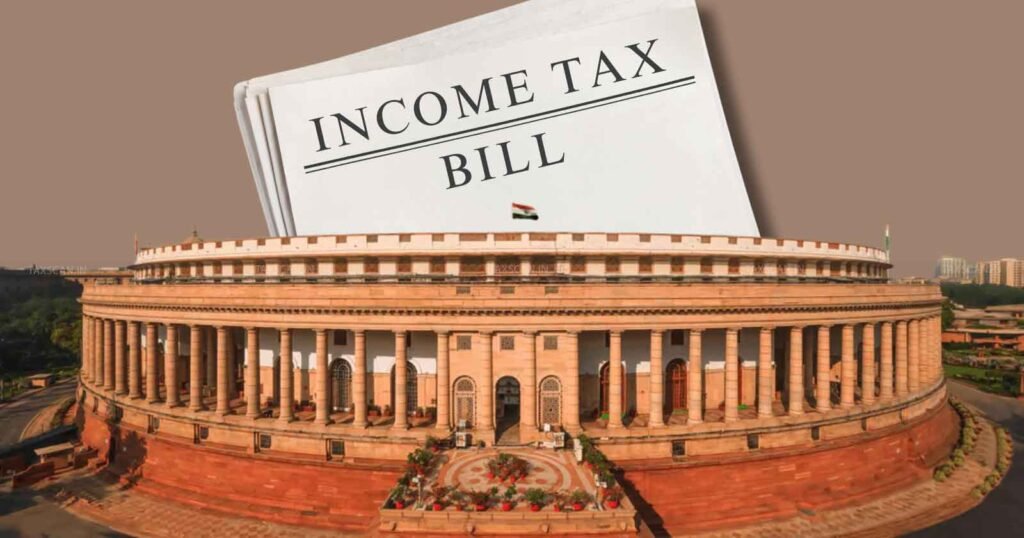

Understand the Constitution (131st Amendment) Bill, 2026—Lok Sabha expansion to 850 seats, changes to delimitation, Article 82 amendment, and early implementation of women’s reservation. A complete guide for law aspirants.
Constitution (131st Amendment) Bill, 2026: A Comprehensive Guide for Law Aspirants
The Union Government has introduced a landmark constitutional reform through the Constitution (One Hundred and Thirty First Amendment) Bill, 2026, proposing sweeping changes to India’s parliamentary structure, delimitation process, and implementation of women’s reservation.
This Bill is scheduled for discussion in a Special Session of Parliament on April 16–17, 2026, making it a crucial topic for judiciary, UPSC, and other law-related competitive exams.
- Expansion of Lok Sabha Strength
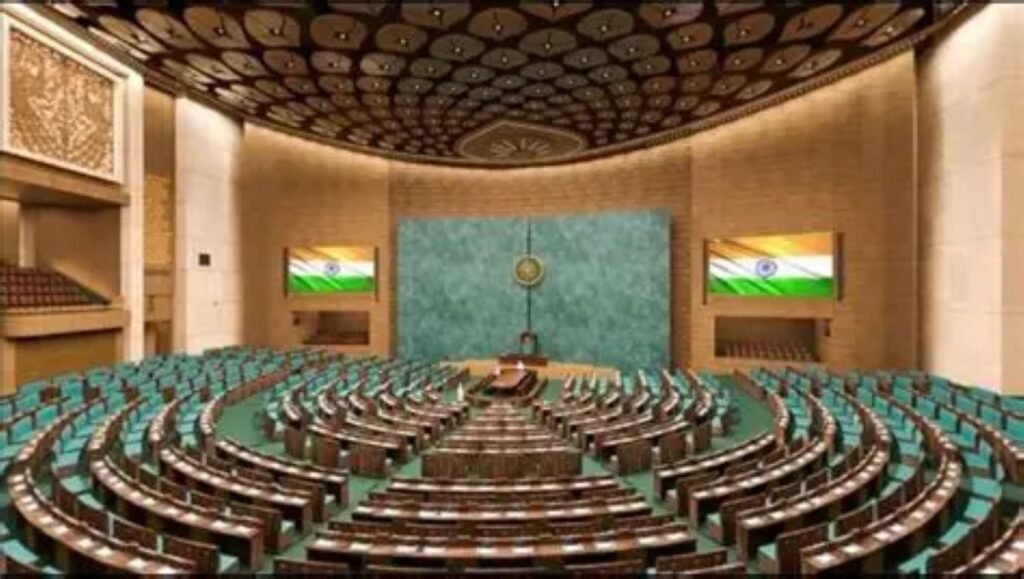
One of the most significant proposals is the expansion of the Lok Sabha (House of the People):
- Current strength: 543 members
- Proposed strength: Up to 850 members
Break-up under the proposed amendment:
- Maximum 815 members from States
- Up to 35 members from Union Territories
This amendment seeks to revise Article 81, aligning representation with India’s changing population dynamics.
- Major Change to Article 82: Delimitation Decoupled from Census
At present, Article 82 mandates that delimitation must occur after the first Census conducted post-2026.
What does the Bill propose?
- Complete removal of this constitutional requirement
- Delimitation will no longer be automatically tied to the post-2026 Census
Implication:
This allows the government to conduct delimitation based on available or earlier census data, rather than waiting for the next Census cycle.
-
Delimitation Bill, 2026: Key Highlights
Alongside the Constitutional Amendment, the government has introduced the Delimitation Bill, 2026, replacing the Delimitation Act, 2002.
Delimitation Commission: Composition
The Commission will include:
- A current or former Supreme Court Judge (Chairperson)
- The Chief Election Commissioner (CEC) or nominated Election Commissioner
- The State Election Commissioner of the concerned State
Additionally, 10 associate members per State (MPs and MLAs) will assist—but without voting rights.
- Basis of Delimitation: Updated Census Data
The proposed law highlights a key issue:
- Current seat allocation is based on the 1971 Census
- Constituency boundaries are based on the 2001 Census
New Proposal:
- Use the latest available census figures for:
- Allocation of Lok Sabha seats
- State Assembly seat distribution
- Reservation for SC/ST
- Redrawing constituency boundaries
- Principles for Redrawing Constituencies
The Delimitation Commission must ensure:
- Geographical compactness
- Consideration of administrative boundaries
- Accessibility and public convenience
- Adequate communication infrastructure
-
Women’s Reservation: Fast-Tracking Implementation
A major political and constitutional implication of the Bill is related to women’s representation.
Background:
Under the Constitution (106th Amendment) Act, 2023, 33% reservation for women was to be implemented after delimitation based on a future Census.
What changes now?
- Amendment to Article 334A
- Enables immediate implementation of 1/3rd reservation after delimitation
- Removes dependency on future Census timelines
- Reservation Mechanism Explained
The Bill provides:
- 33% reservation for women in:
- Lok Sabha
- State Legislative Assemblies
Rotation System:
- Reserved seats will rotate among constituencies
- SC/ST women’s seats will rotate within already reserved SC/ST constituencies
- Legal Finality of Delimitation Orders
A crucial provision:
- Orders of the Delimitation Commission:
- Will have force of law
- Cannot be challenged in any court
However:
- Existing Lok Sabha/Assemblies will continue till dissolution
- Bye-elections will follow the current delimitation framework
- Why This Bill Matters for Law Aspirants
This Bill is extremely important for exams due to its intersection with:
- Constitutional Law (Articles 81, 82, 334A)
- Representation of People
- Federal Structure & Electoral Reforms
- Women’s Reservation Debate
Exam Relevance:
- UPSC Prelims & Mains
- Judiciary Exams (PCS-J, APO)
- CLAT, CUET UG (Legal Studies / Polity)
Conclusion
The Constitution (131st Amendment) Bill, 2026 marks a transformative shift in India’s democratic framework. By expanding the Lok Sabha, reforming the delimitation process, and accelerating women’s reservation, the Bill aims to modernize representation in line with contemporary demographic realities.
However, it also raises important constitutional and political questions regarding federal balance, fairness in representation, and timing of reforms—making it a crucial topic for both academic understanding and competitive examinations.