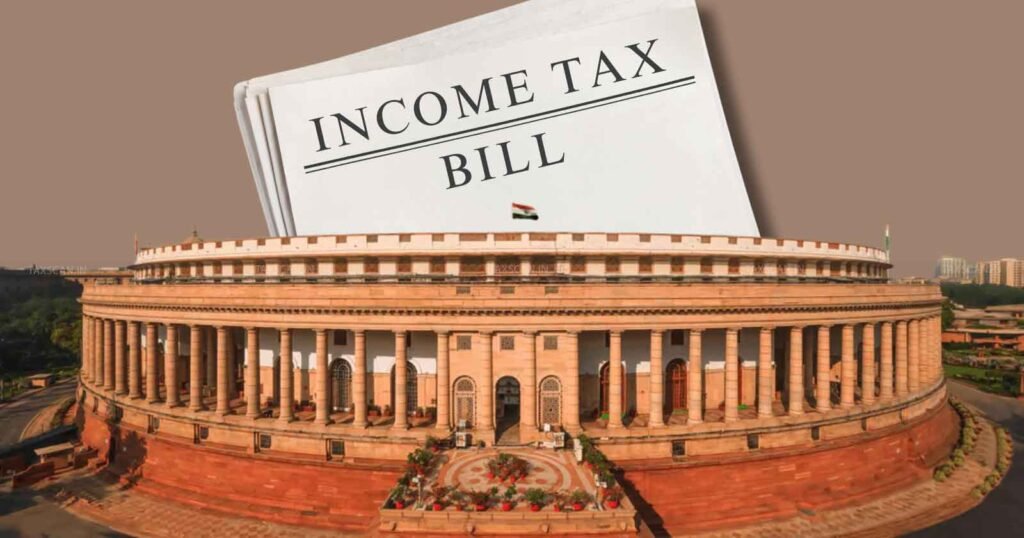

Lok Sabha rejects the Constitution (131st Amendment) Bill, 2026 due to lack of 2/3rd majority. Understand its impact on delimitation, women’s reservation, and constitutional provisions for law exams.
Introduction
In a significant legislative development, the Lok Sabha has rejected the Constitution (One Hundred and Thirty-First Amendment) Bill, 2026, which aimed to restructure parliamentary representation, revise delimitation norms, and expedite the implementation of women’s reservation. The Bill failed to secure the constitutionally mandated two-thirds majority, making it a crucial topic for law aspirants and competitive exam candidates.
Why Did the Bill Fail?
Out of 528 members present and voting,
- 298 members voted in favour,
- 230 members opposed the Bill.
Despite a simple majority, the Bill fell short of the special majority requirement under Article 368 of the Constitution, which mandates a two-thirds majority of members present and voting for constitutional amendments.
Key Proposals of the Constitution (131st Amendment) Bill, 2026
1. Expansion of Lok Sabha Strength
- Proposed increase from 543 to 850 seats
- Up to 815 seats for States
- Up to 35 seats for Union Territories
2. Amendment to Article 82
- Removal of the condition linking delimitation to the first Census after 2026
- Intended to allow immediate delimitation based on 2011 Census data
3. Amendment to Article 334A
- Proposed immediate implementation of 33% women’s reservation
- Removed dependency on future Census and delimitation exercises
Delimitation Bill, 2026: Key Highlights
Following the constitutional amendment, the government also introduced the Delimitation Bill, 2026, which proposed:
- Replacement of the Delimitation Act, 2002
- Formation of a Delimitation Commission, consisting of:
o A serving or former Supreme Court judge (Chairperson)
o The Chief Election Commissioner or nominee
o Concerned State Election Commissioners
Functions of the Commission
- Redrawing parliamentary and assembly constituencies
- Reallocation of seats based on 2011 Census data
- Determining reservation for:
o Scheduled Castes (SCs)
o Scheduled Tribes (STs)
o Women (33% reservation with rotation)
Opposition Concerns
The Bill faced strong resistance from opposition parties due to:
1. Regional Representation Imbalance
- Southern and North-Eastern states argued that using the 2011 Census would:
o Penalize states with successful population control
o Reduce their parliamentary representation
2. Timing of Delimitation
- Concerns over initiating delimitation while the 2026–27 Census is underway
- Argument that fresh Census data should be used instead
Impact on Women’s Reservation
The debate gained further importance as it followed the notification of the Constitution (106th Amendment) Act, 2023, which:
- Provides 33% reservation for women in Lok Sabha and State Assemblies
- Came into force on April 16, 2026
- However, its implementation is conditional upon delimitation after the next Census
The rejected Bill aimed to fast-track this process, but its failure means that women’s reservation will remain linked to future delimitation exercises.
Withdrawal of Related Bills
After the rejection, the government withdrew:
- Delimitation Bill, 2026
- Union Territories Laws (Amendment) Bill, 2026
These Bills intended to extend similar reforms to Delhi, Puducherry, and Jammu & Kashmir.
Constitutional & Exam Relevance
This development is highly important for:
- UPSC (Polity & Governance)
- Judiciary Exams
- CLAT & CUET (Legal Studies)
- SSC & State PCS Exams
Key Constitutional Provisions to Remember
- Article 368 – Procedure for Constitutional Amendment
- Article 82 – Readjustment after Census
- Article 334A – Reservation for women (inserted via 106th Amendment)
Conclusion
The rejection of the Constitution (131st Amendment) Bill, 2026 highlights the complexities of balancing federal representation, electoral fairness, and gender justice. While there is broad consensus on women’s reservation, disagreements over delimitation methodology and timing continue to shape India’s constitutional discourse.
For law aspirants, this issue offers a critical intersection of constitutional law, electoral reforms, and public policy, making it a must-study topic.