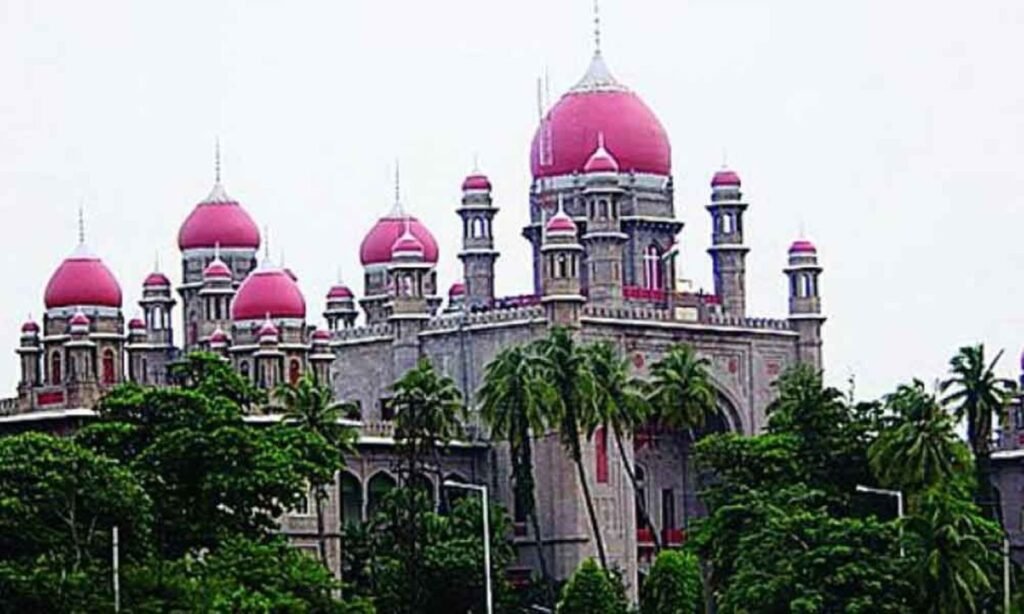

Delhi High Court rejects Arvind Kejriwal’s plea for recusal of Justice Swarana Kanta Sharma in liquor policy case. Learn key legal principles on judicial bias, recusal, and institutional integrity.
The Delhi High Court has dismissed applications seeking the recusal of Justice Swarana Kanta Sharma from hearing the high-profile excise policy case involving Arvind Kejriwal and other accused. The ruling offers significant insights into the law on judicial recusal, bias, and institutional integrity—topics highly relevant for legal aspirants and judiciary exam preparation.
Background of the Case
The matter arises from the controversial Delhi liquor policy case, where multiple political figures, including Manish Sisodia and others, were initially discharged by the trial court. Subsequently, the Central Bureau of Investigation (CBI) challenged the discharge before the High Court.
During the appellate proceedings, Kejriwal and co-accused filed applications requesting Justice Sharma to recuse herself, alleging apprehension of bias.
Core Issue: When Can a Judge Recuse?
The central legal question was whether allegations of bias—based on personal perceptions, family associations, or external narratives—are sufficient to warrant judicial recusal.
Justice Sharma firmly answered in the negative, emphasizing that:
- Recusal must be grounded in legally sustainable reasons, not mere suspicion.
- A litigant cannot seek recusal simply because they believe the court may not grant relief.
- Judicial competence and impartiality are subject to scrutiny only by higher courts, not by parties to litigation.
Key Observations by the Court
- Judicial Independence Cannot Be Undermined: The Court stressed that allowing recusal based on unsubstantiated allegations would erode public confidence in the judiciary and lead to “justice being managed.”
Personal attacks on a judge are attacks on the institution itself. - Test of Reasonable Apprehension of Bias
Justice Sharma reiterated that:
• Bias must be proven through tangible evidence.
• Mere conjectures, insinuations, or social media narratives do not meet the legal threshold. - Family Members’ Professional Roles Not Grounds for Recusal
Kejriwal argued that Justice Sharma’s children being empanelled as government counsel created a conflict of interest. The Court rejected this contention, holding:
• No nexus was established between their professional roles and the present case.
• Judges’ family members are entitled to pursue independent legal careers.
• Accepting such claims would make it impossible for courts to hear cases involving the government. - Social Media Campaigns Have No Evidentiary Value
The Court dismissed reliance on online discussions or campaigns, clarifying that:
• Judicial decisions are based strictly on record and evidence, not public opinion.
• Manufactured narratives cannot dictate court proceedings. - Political Statements Irrelevant to Judicial Bias
Allegations based on statements by Amit Shah were also rejected. The Court observed that:
• Political discourse cannot be used to question judicial impartiality.
• Bias must be proven, not presumed.
Supreme Court Context
The Court also clarified that prior orders passed by Justice Sharma in related cases were not overturned on merits by the Supreme Court of India. Interim reliefs or referrals to larger benches do not imply judicial error or bias.
Important Legal Principles for Aspirants
This judgment reinforces key doctrines frequently tested in judicial and legal exams:
- Doctrine of Bias (Nemo Judex in Causa Sua): A judge should not decide a case where there is real likelihood of bias.
- Presumption of Judicial Impartiality: Bias must be proven with evidence.
- Recusal Jurisprudence: Must be based on objective standards, not subjective fears.
- Institutional Integrity: Courts must resist attempts to undermine judicial independence.
What Happens Next?
The matter is now listed for further hearing, where the CBI will present its submissions, followed by responses from the accused.
Conclusion: The Delhi High Court’s ruling is a strong reaffirmation of judicial independence and the principle that recusal cannot be used as a litigation strategy. For legal aspirants, this case serves as a crucial example of how courts balance fairness with institutional integrity.
Read Also: Arvind Kejriwal’s Recusal Plea: Meaning, Context; Legal Significance