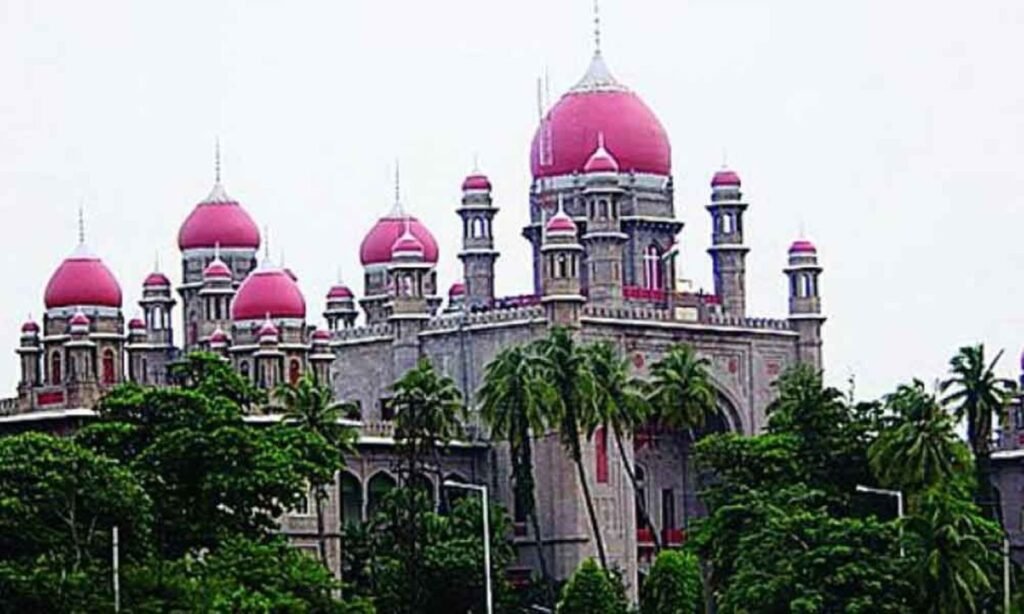
Impeachment motion filed against Madras High Court judge Justice GR Swaminathan: Know the allegations, constitutional procedure under Articles 217 and 124, and the legal context behind this significant judicial development.
Introduction
A major constitutional development unfolded in the Lok Sabha on December 9, as Members of Parliament from the DMK and several opposition parties submitted a motion seeking the impeachment of Madras High Court judge, Justice GR Swaminathan. The motion, signed by 107 MPs, invokes Article 217 read with Article 124 of the Constitution, which lays down the framework for the removal of High Court and Supreme Court judges.
This event has sparked significant debate in legal and political circles, particularly regarding judicial accountability, standards of judicial conduct, and the constitutional process governing impeachment.
What Does the Impeachment Motion Allege?
The motion accuses Justice GR Swaminathan of “misconduct”, citing several concerns that, according to the signatories, undermine judicial integrity and constitutional values.
Key Allegations Include:
1. Questions on Impartiality and Transparency
The MPs allege that the judge’s conduct raises doubts about his neutrality in adjudication, suggesting potential bias in certain cases.
2. Accusations of Favouritism
A significant charge involves alleged favouritism toward a senior advocate and certain lawyers belonging to a particular community. The motion states that such conduct erodes public confidence in equal access to justice.
3. Decisions Influenced by Political Ideology
The motion asserts that some of Justice Swaminathan’s decisions appear influenced by a “particular political ideology”, which the signatories argue violates the Constitution’s secular foundation.
Context Behind the Impeachment Move
The impeachment effort comes soon after Justice Swaminathan’s controversial order permitting temple devotees to light a lamp at a stone pillar atop Thirupparankundram hill near a dargah. The Tamil Nadu Government opposed the order, chose not to implement it, and subsequently filed an appeal.
This backdrop has intensified the political and social debate surrounding the judge’s decision and the broader implications for religious harmony, judicial independence, and secularism.
Understanding the Constitutional Procedure for Removal of Judges
Under Article 124(4) (extended to High Court judges via Article 217), a judge may be removed only on grounds of proven misbehaviour or incapacity, and only after:
- A motion is signed by the required number of MPs.
- An inquiry committee—comprising a Supreme Court judge, a Chief Justice of a High Court, and an eminent jurist—is formed.
- The committee investigates and submits findings.
- Both Houses of Parliament pass the motion by a special majority.
- The President issues the removal order.
The threshold is intentionally high to preserve judicial independence while ensuring accountability.
Conclusion
The impeachment motion against Justice GR Swaminathan marks a significant moment in India’s constitutional and judicial landscape. Whether the motion proceeds beyond the preliminary stage remains to be seen, but it has reignited critical discussions on judicial conduct, political influence, and secular governance.
As the process unfolds, it will serve as an important case study for students of law, governance, and constitutional democracy.